“LUMUD” a sculpture made by Arnel Garcia
CENTER FOR KAPAMPANGAN STUDIES
CENTER FOR KAPAMPANGAN STUDIES is a museum located inside the Holy Angel University in Angeles City, Pampanga. The museum features three main divisions: Museum and Gallery, Library and Archives, and Research and Advocacy. Museums actually have a substantial capacity to gather authentic and current relics and undertaking of workmanship for educational purposes, just as the protection of the work for future ages to learn from and appreciate. While in galleries, visitors view the artworks of local and international artists. Both have wide and open spaces that people can remain in to recognize the arts showed. The rooms surrender regularly feel light and breezy in order to urge people to remain around and feel comfortable. Both libraries and archives gather materials or documents. In libraries, they provide access to published materials in order to keep people informed about certain things and provide entertainment.While on the other hand, the archives, provide access to unpublished documents to ensure its government accountability and to preserve institutional and cultural memory. Research institutes were established for producing studies or conducting research.
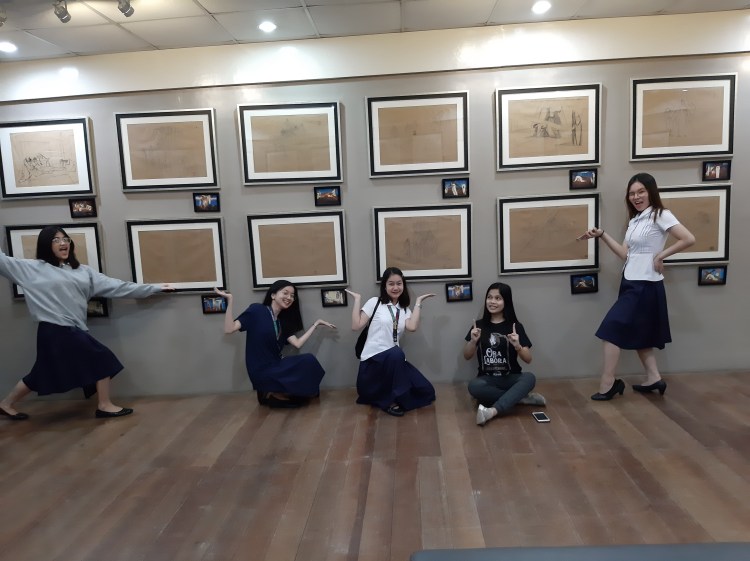
It is a place for people who loves history and viewing Filipino arts. There are many manuscripts, dioramas, photographs, religious relics as highlights of the Kapampangan cultures. The museum was established by Don Juan D. Nepomuceno in 2001, a pampango philanthropist and former mayor of Angeles city. There were walls of Kapampangan personalities on the upper floor of the museum. Born each year of the 20th century. They also have these major documents, studies and preserved cultural expressions such as folk songs, tales, poems, CDs, films.
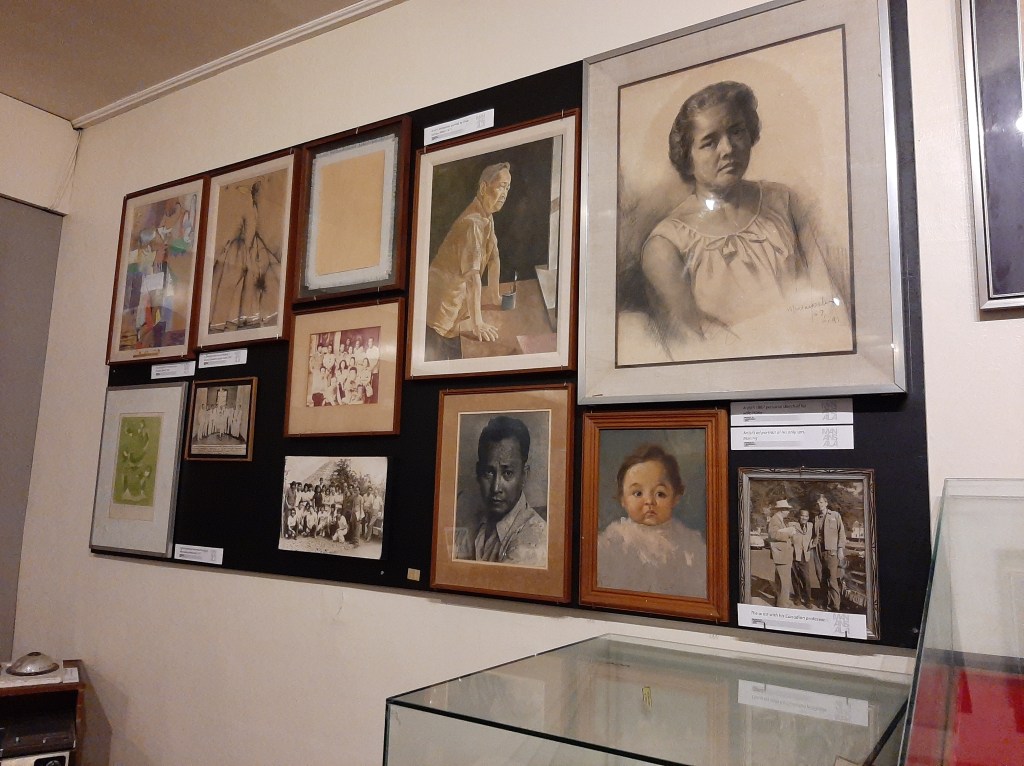
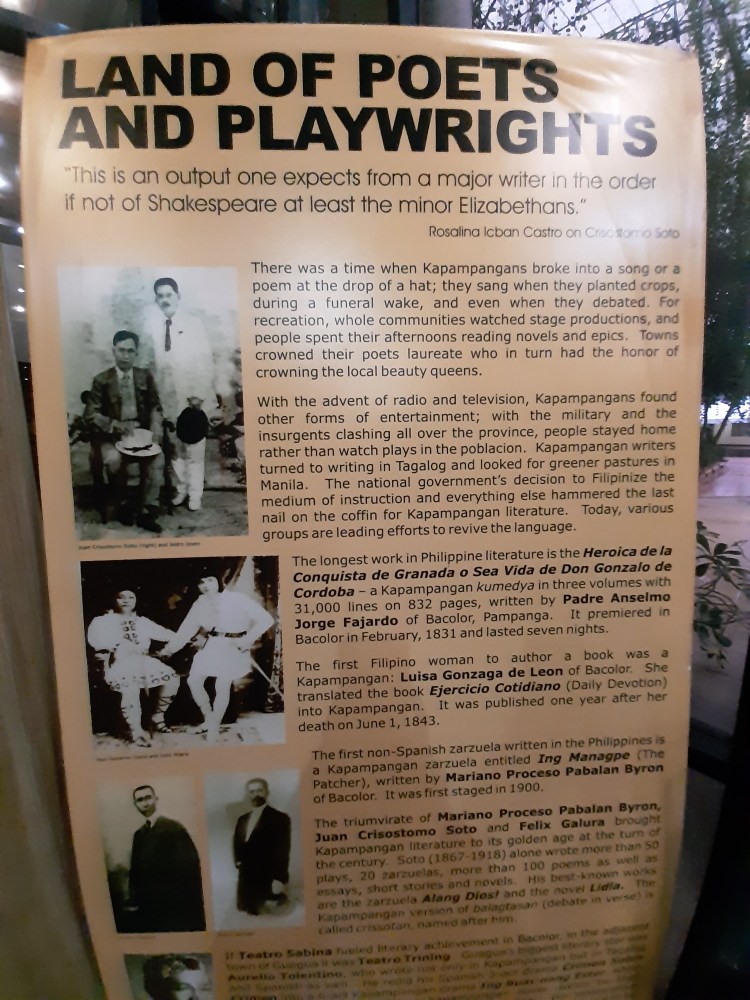
It also contains special collections such as the microfilm copies of registros parroguiales which contains baptism, wedding and death records of the people from the towns of Pampanga back to 1621. The Center also conducts competitions such as poetry writing competitions among students. Showing the Kapampangan pride through the art and crafts made by the Kapampangans as their contribution to the Filipino Arts. There was also part in the museum which it showcases the some of the kapampangan poets and their famous works.
CLARK MUSEUM
Angeles City is filled with heritage and culture of the Kapampangans. Even with an urbanized city set up, traditions are still intact and cherished by the people. Clark Museum was established to pass down the customs and legacy that our ancestors had accomplished way back then. It features different relics, artifacts and etc.
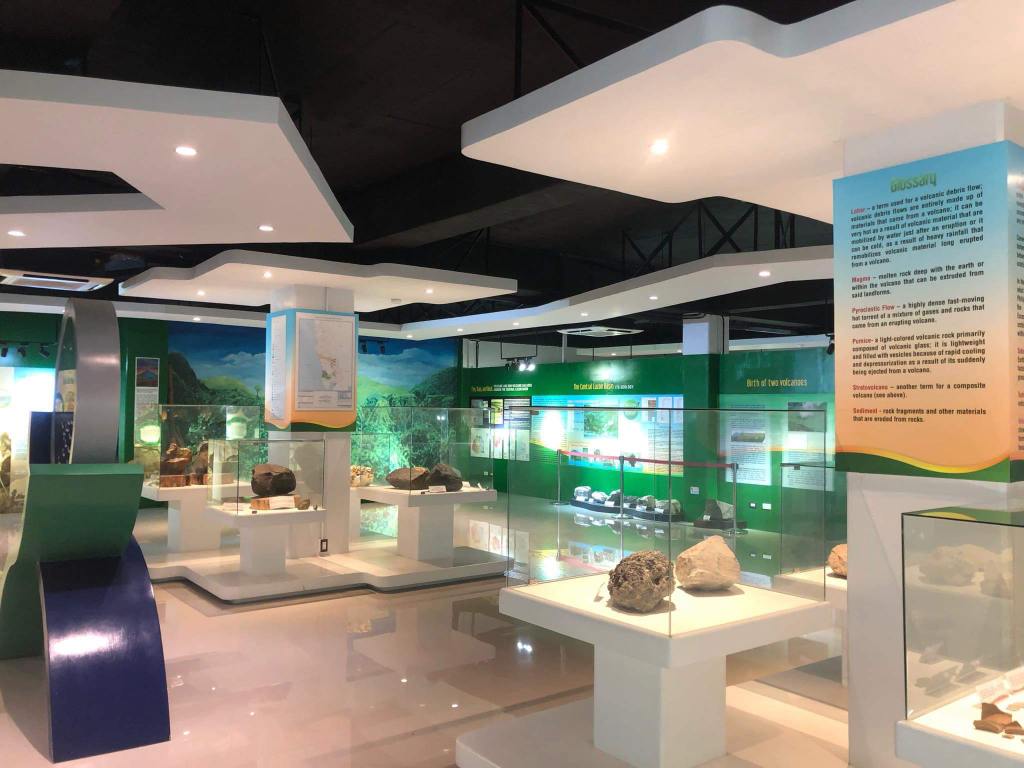
It supports a modern theme that leaves the visitors mezmerized not only about the history of Pampanga but also because of the ambiance that the place gives.
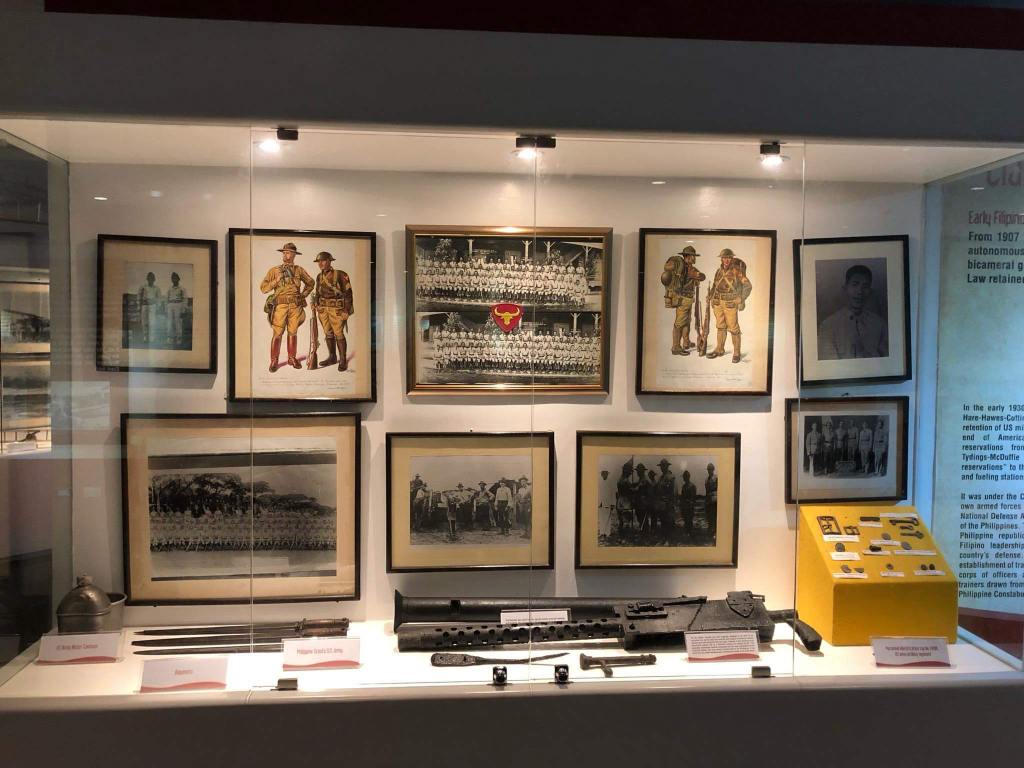
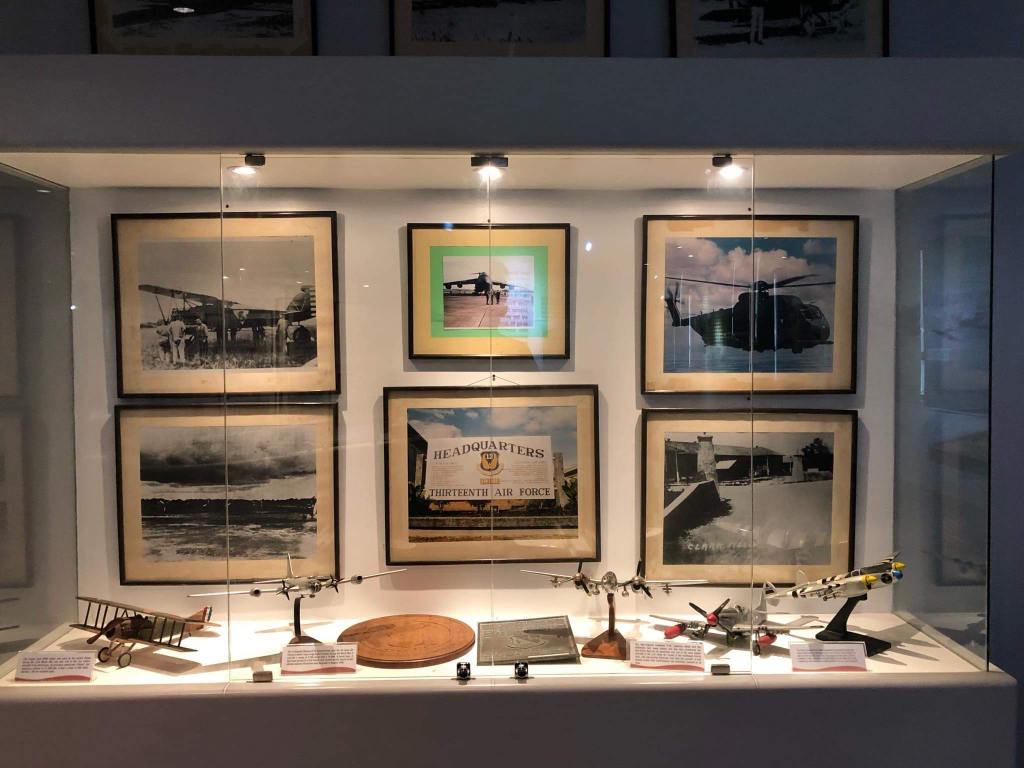
It features military equipment and paraphernalia that were used during the war, this includes; army uniforms, guns and miniature model of the helicopters that were used by the army. Photographs were also hanged on the wall that shows our loyal soldiers that fought for our freedom.
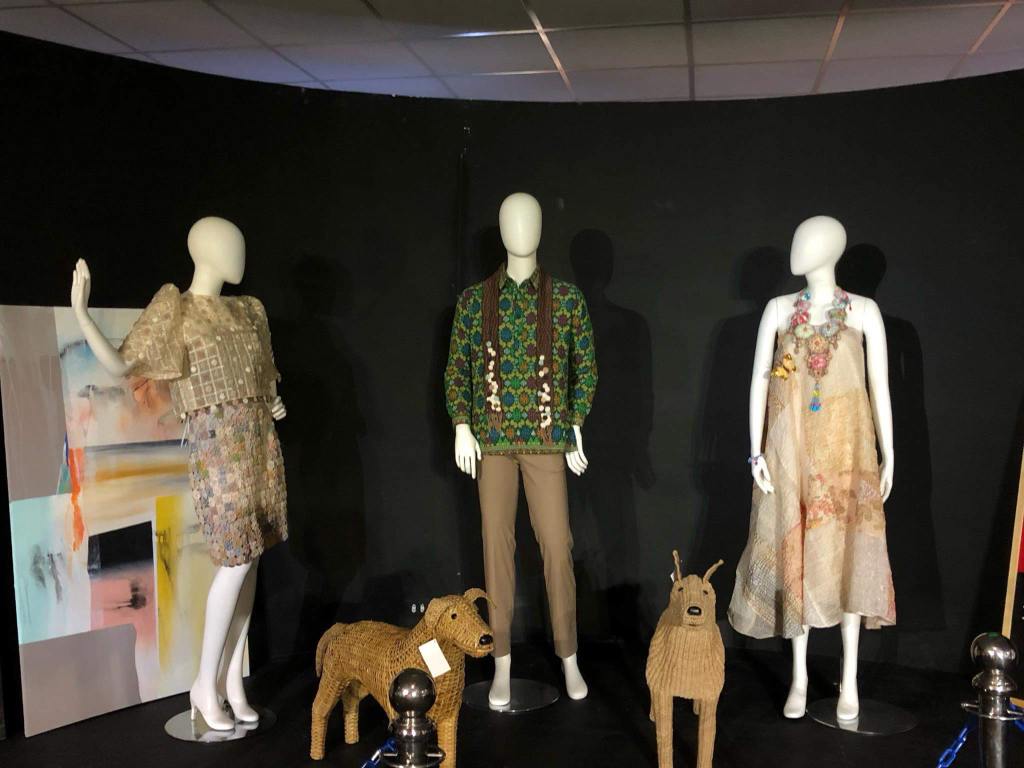
It also displays works of a kapampangan designer, Phillip Torres that inhibits the traditional clothes of the Filipino namely the filipiniana and the barong.
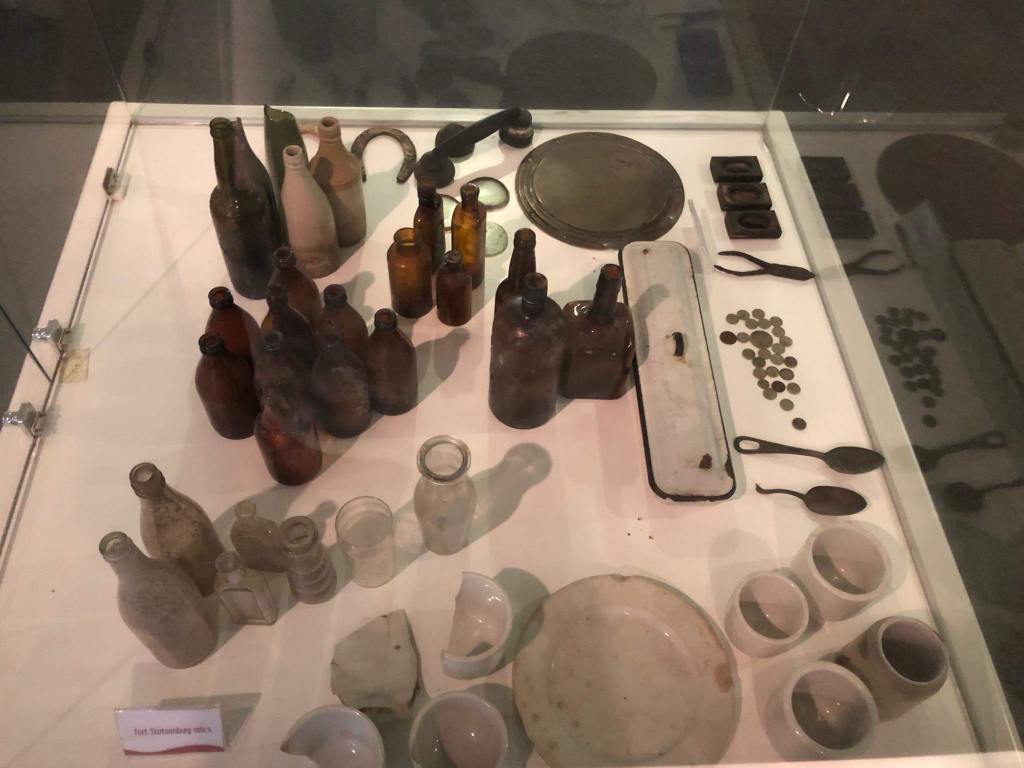
Relics from Fort Stotsenburg during the World war II. Fort Stotsenburg housed and trained the 1st Philippine Artillery Regiment during the war, it is located at Barrio Sapang Bato in Angeles City. It was named after Colonel John M. Stotsenburg, who led the regiment in action near Quingua, Bulacan, Philippines on April 23, 1899.
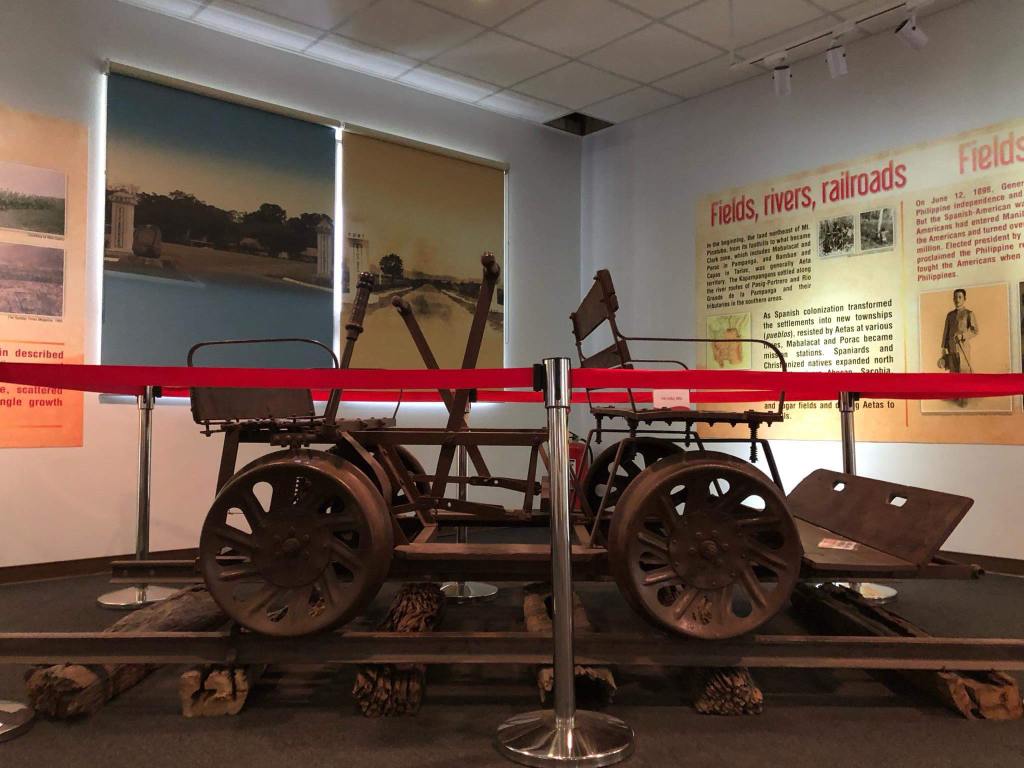
This in particular played a role in the Philippine history. This is a remnant of the train situated in San Fernando, Pampanga, Philippines. It is historically the stopping place for Filipino and American prisoners of war during the Bataan death march in 1942. It was closed in 1988.
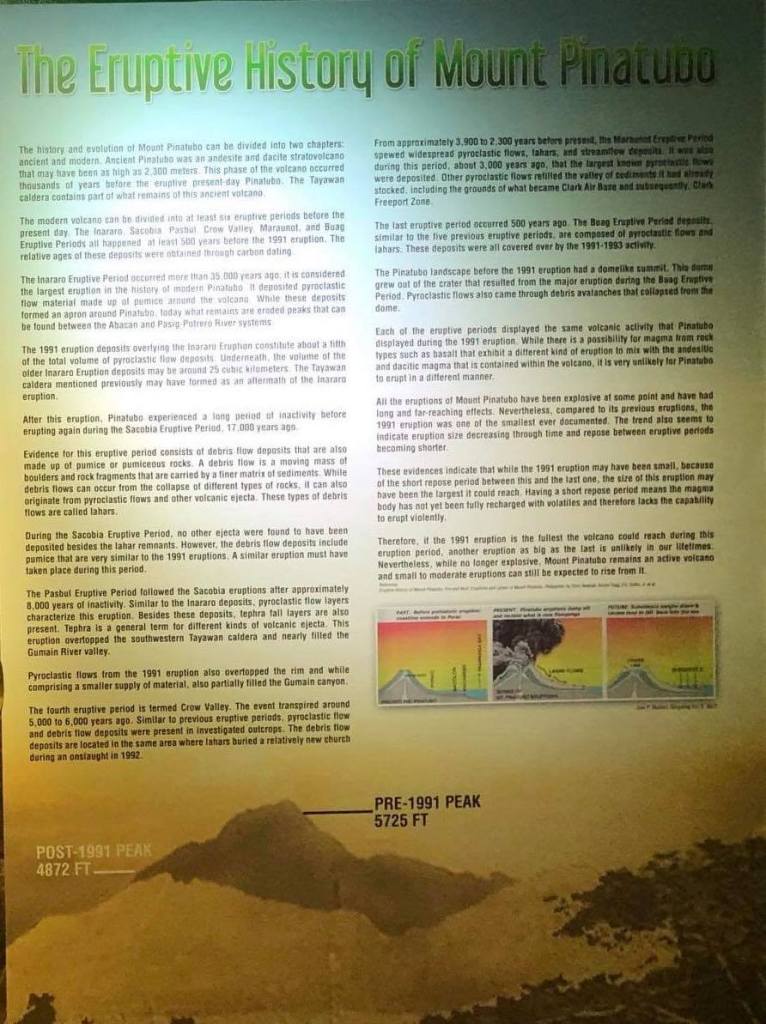
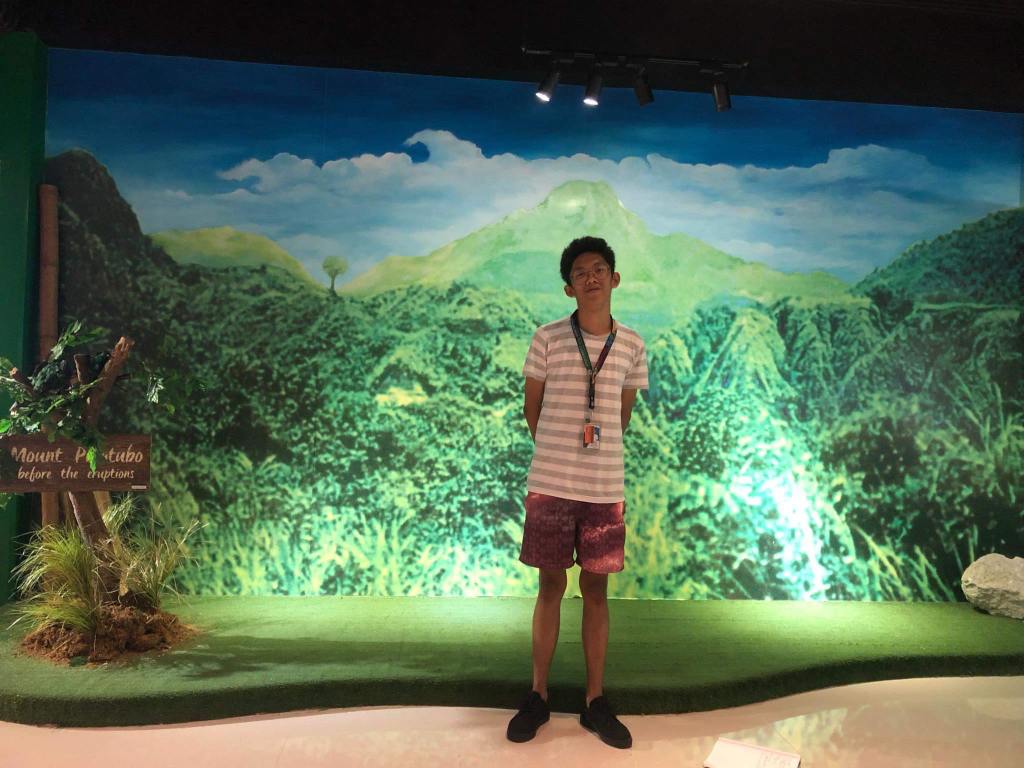
Mt. Pinatubo also took part in the history of Pampanga. It was on the 15th of June, 1991 when the eruption of Mt. Pinatubo shook the kapampangans. The eruption was complicated by the typhoon named Yunya. It brought lethal mix of ash and rain to town that were affected. Areas that surround the volcano including Pampanga, were severely damaged by pyroclastic flow, ash falls, and subsequently, by the flooding lahar caused by rainwater re-mobilizing earlier volcanic deposits. This caused extensive destruction to infrastructure and changed river systems for years after the eruption.
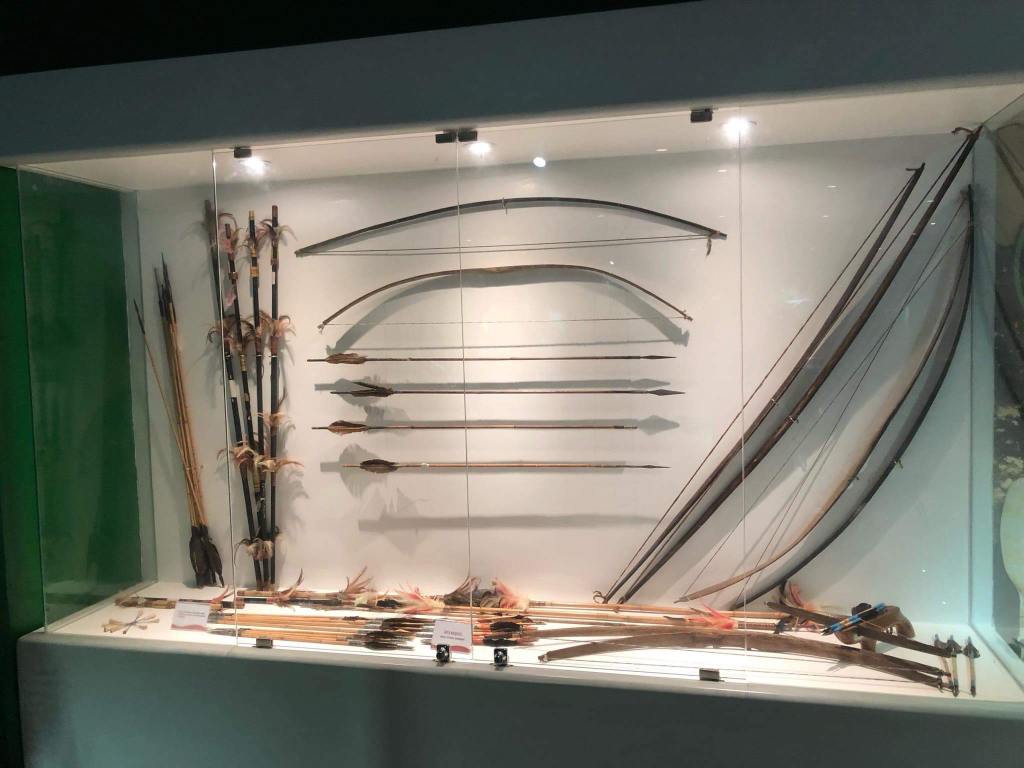
The Aetas, being one of the biggest, in terms of number, member of ethnolinguistic group in the Philippines, are indigenous people living in different mountainous places in Luzon particularly in Pampanga. Negritos or Aetas possessed iron tools and weapons. Their speed and accuracy with a bow and arrow were proverbial and they were fearsome warriors. They are nomadic and build only temporary shelters made of sticks driven to the ground and covered with the palm of banana leaves. The well-situated and more modernized Aetas have moved to villages and areas of cleared mountains. They live in houses made of bamboo and cogon grass.
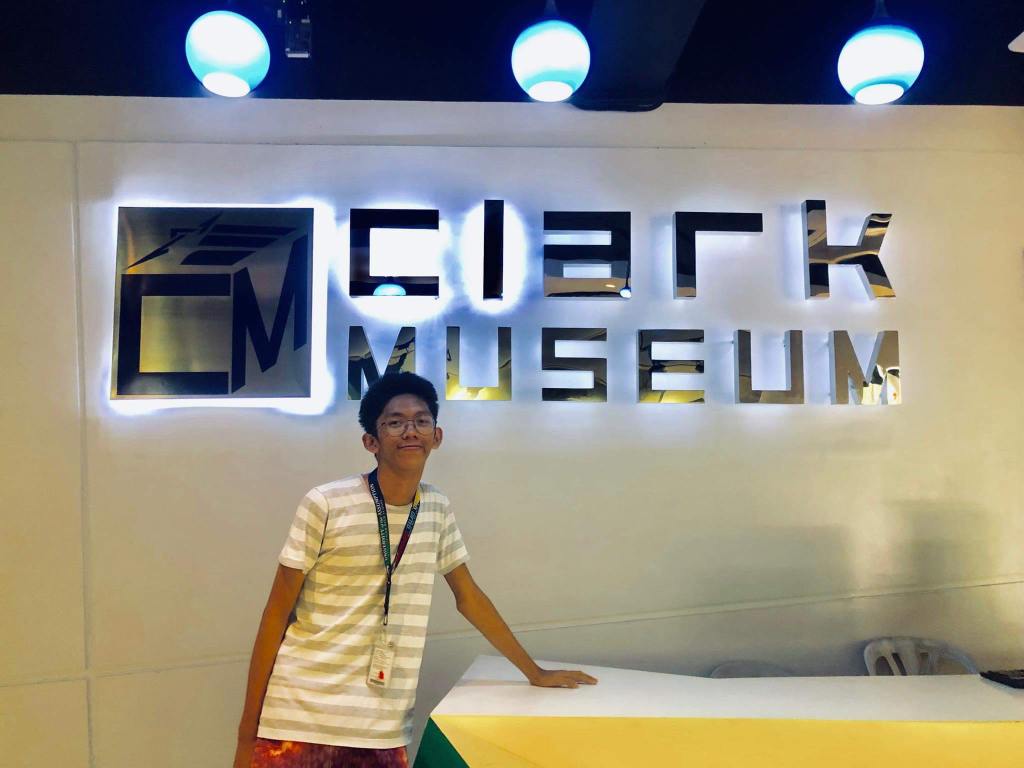
“To understand the present, you must know the past.” It truly was a memorable trip to memory lane because of what I had learned of our culture. It was so worth the trip. I hope you all enjoy! #JangelsGoesToClarkMuseum


 Jonas' Angels